
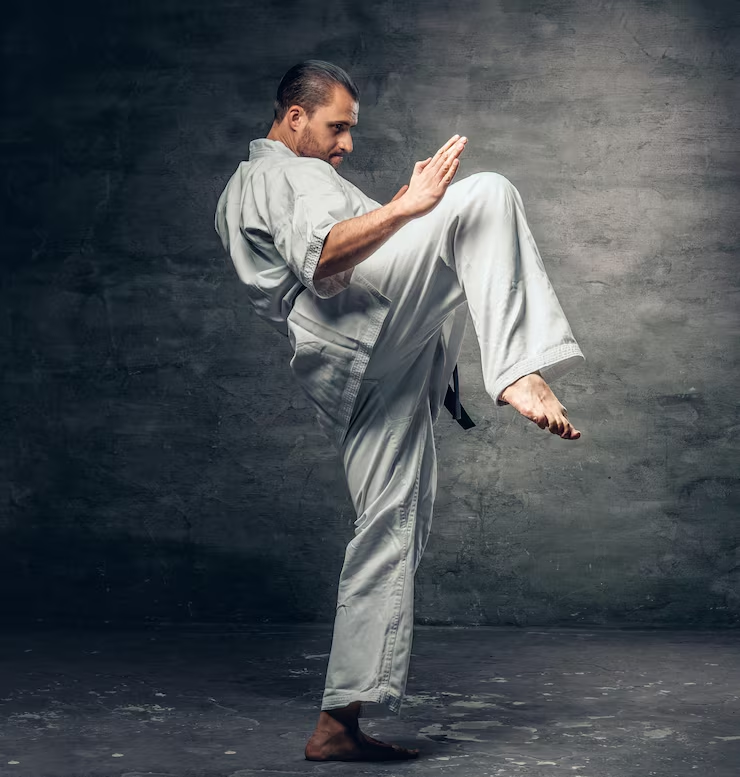
People love a good argument. Coffee choices. Sci-fi movies. The eternal pineapple-on-pizza debate. And somewhere in that mix sits a surprisingly serious question: Is boxing a martial art?
Ask around in any gym and you will get two completely different answers, delivered with way too much confidence.
Some say boxing is a sport. Others insist it is one of the oldest combat systems in the world. The truth lives somewhere in the middle. But before we get into that, there is something every boxer needs to understand if they want to train the right way. Punching bags. The real ones. The ones built for power, timing, precision, and control.
Whether you are training in your garage or working out at Be Happy Boxing, knowing your equipment changes everything.
So… Is Boxing a Martial Art?
Short answer: yes.
Long answer: Who you ask and how strongly they feel about it will determine the answer.
This is the truth. Boxing teaches self-defense, discipline, technique, and strategy. You pick up skills like timing, footwork, pattern recognition, distance control, and maintaining composure under duress. That is the cornerstone of all martial arts.
People become fixated on the notion that kicks, elbows, or some ancient ancestry must be used in martial arts. But a martial art is any structured system of combat. Boxing is exactly that. It may focus only on the hands, but it demands mastery on a level that surprises most beginners.
Spend ten minutes on the mitts with a real coach and you understand immediately. Boxing is not random punching. It is a mental and physical chess match at high speed. It teaches power, accuracy, movement, and restraint. That puts it squarely in the martial arts category.
Now that we have cleared the air, let us talk about the tools that build those skills. Punching bags. Each one teaches something different, and the right choice matters.
The Main Types of Punching Bags
Most beginners think a punching bag is just a bag. Then they start hitting different ones and quickly realize each bag changes how you move and how you learn. Here are the main types and what they bring to your training.
1. Heavy Bag
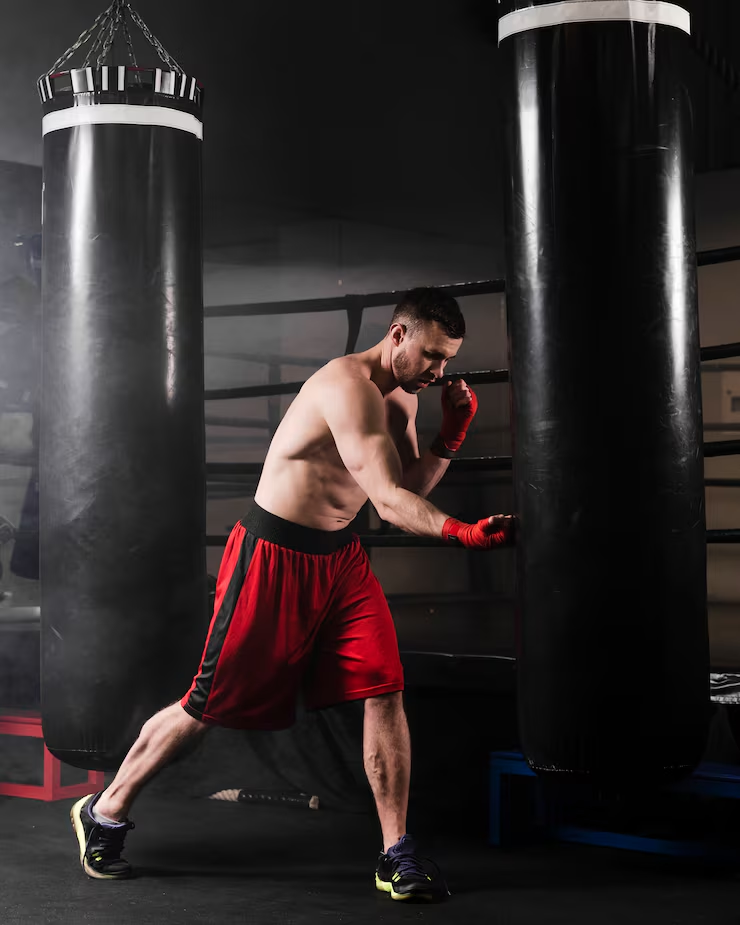
The classic. Big, tough, and dependable. The heavy bag builds power, endurance, and proper mechanics. You learn to sit on your punches, rotate through your hips, and stay balanced through each combination. If you are starting with one bag at home, this is the one.
2. Free Standing Bag
Perfect for those who don’t want to hang anything from the ceiling or drill holes. The bag moves enough to test your timing, but the base keeps it grounded. It is convenient, space-friendly, and great for beginners getting used to movement and accuracy.
3. Speed Bag
Small, fast, and all about rhythm. The speed bag teaches timing, coordination, and steady shoulder endurance. It feels awkward at first, but once you lock into the rhythm, it becomes almost meditative. Fighters rely on it for quickness and flow.
4. Double End Bag
This is what you’re looking for if you want something that strikes back. After each shot, the double-end bag snaps in your direction, making you move your head, maintain your composure, and manage your return fire. It is among the best methods for improving defensive awareness and reflexes.
5. Uppercut Bag
Shaped to let you throw uppercuts without risking your wrists. You can also work tight hooks, short combinations, and inside fighting. If you want to get better at close-range exchanges, you will spend a lot of time with this one.
6. Wrecking Ball Bag
A round, heavy bag that is perfect for power shots from any angle. Hooks and uppercuts feel especially strong on this one, and it swings just enough to test your footwork. It makes training feel dynamic and real.
7. Wall Bag or Wall Mount Bag
A fixed target that teaches precision. Since it does not swing, you focus entirely on form, angles, and clean technique. Great for boxers who want to tighten up fundamentals and keep their alignment sharp.
8. Aqua Bag
A modern favorite at places like Be Happy Boxing. The water creates a shock-absorbing feel that is easier on the wrists and shoulders. It still gives a heavy, realistic impact and works well for all levels. Many fighters prefer these now over traditional bags.
How to Choose the Right Punching Bag
It’s not about what looks cool when selecting a punching bag. It is about what supports your goals.
- Choose a heavy bag or wrecking ball bag if you want unadulterated strength and conditioning.
- Select a speed bag if you want both speed and rhythm.
- If you want reflex training, the double-end bag is unbeatable.
- If you want something simple for the home, a free-standing bag is perfect.
- If you want clean, close-range work, you will love the uppercut or aqua bag.
Advanced fighters switch between multiple bags. Before expanding, beginners should start with one or two and allow their technique to settle.
Why Your Bag Choice Matters More Than You Think
Punching bags are more than just tools. It is your silent coach. It teaches patience, rhythm, and power. It encourages you to maintain consistency. And sometimes it humbles you in the most positive way.
The wrong bag can train sloppy habits. The right bag sharpens everything. The coaches at Be Happy Boxing can assist you in finding the right bag for your level and objectives. Months of frustration can be avoided by doing this correctly.
Conclusion
At first glance, boxing appears straightforward, but as soon as you begin training, the layers become apparent. The timing. The footwork. When a punch lands cleanly, your entire body works together. For this reason, boxing fits right in with the martial arts community. It requires dedication, focus, and actual skill.
And the gear you choose matters. Understanding the different types of punching bags can completely change how fast you improve. One bag builds power. Another sharpens accuracy. Another teaches movement. Put them together, and your training transforms.
Try new bags. Test your limits. Notice what feels right for your style. As you grow, the sport becomes more than exercise. It becomes a rhythm you carry with you, a skill that keeps getting sharper every time you glove up.
Call to Action
Ready to train smarter and level up your boxing game? Join Be Happy Boxing and take the next step forward.
[ Start Training Today ]
FAQ
Can you learn boxing with a punching bag?
You can build strong basics on a bag. Power. Balance. Timing. But real progress comes when a coach sharpens technique and fixes unseen mistakes.
What are the 4 styles of boxing?
The four styles are swarmer, out-boxer, slugger, and boxer-puncher. Each brings its own rhythm, preferred distance, and way of controlling the fight.
Which type of punching bag is best?
The majority of novices begin with a bulky bag. It is adaptable to almost all training levels and provides power, conditioning, and clean mechanics.
What martial art is closest to boxing?
Kickboxing sits closest, matching boxing’s footwork, stance, and striking flow. It simply adds kicks, giving your stand-up game a wider range.