
When people think of martial arts, images of kung fu, muay thai, judo techniques, or brazilian jiu jitsu often come to mind. But one question continues to stir debate among both traditionalists and modern fighters alike: Is boxing a martial art?
The answer isn’t as straightforward as it seems. To settle the discussion, let’s explore boxing’s history, including its origins in bare-knuckle fighting and how it evolved into the modern sport, as well as its techniques, training, and place among other martial arts and combat sports.
Key Takeaways
Boxing qualifies as a martial art due to its structured training, emphasis on technical skill, and effectiveness in combat and self-defense scenarios—even though it doesn’t share the ceremonial or spiritual aspects of traditional Asian martial arts.
Modern martial arts styles, including mixed martial arts, often incorporate boxing techniques like footwork, striking, and timing, showcasing its continued relevance and value in diverse fighting systems.
Boxing training develops both physical and mental strength, helping practitioners build endurance, discipline, and focus—qualities central to all serious martial arts practices. In both boxing and martial arts, foundational elements such as conditioning, technique, discipline, and mental focus are essential, highlighting the shared principles of both boxing and martial arts.
Boxing: A Historical Martial Art or Just a Modern Sport?
Boxing, often referred to as the “sweet science,” has roots dating back thousands of years, with evidence of fist fighting found in ancient civilizations like Greece and Egypt. In these societies, boxing was used to develop and showcase physical skills such as strength, agility, and endurance.
Modern boxing, however, emerged in the early 20th century, evolving with protective equipment, formal rules, and global recognition. It is now a popular spectator sport and part of the Olympic Games.
So, is boxing a martial art? That depends on how you define a martial art.
If you see martial arts solely as asian martial arts with ceremonial traditions—like chinese martial arts, kung fu, or judo—then boxing may not immediately fit. However, if martial arts are seen as structured fighting styles involving technical skill, physical prowess, and dedicated practice for combat effectiveness or self-defense, then Western boxing absolutely qualifies.
Comparing Boxing to Other Martial Arts
Most martial arts schools teach a mix of physical techniques, mental focus, and skill development. Boxing training involves intense physical conditioning, strategic thinking, and the ability to read an opponent’s moves.
Fighters learn to throw punches, execute defensive maneuvers, and take advantage of opponents’ mistakes—much like practitioners of other martial arts.
In fact, MMA fighters often incorporate techniques from boxing into their arsenals because of boxing’s precise striking techniques, body movement, and powerful punches. Within mixed martial arts (MMA), boxing stands alongside muay thai, brazilian jiu jitsu, and judo as a key component in creating a complete fighter.
Boxing differs from grappling techniques, knee strikes, or weapon-based martial arts styles, but its emphasis on hand speed, timing, and footwork, emphasizing agility, enhances a fighter’s mobility and defensive strategies, making it one of the most effective combat techniques in close-range striking.
Martial Arts Training and Boxing Methodologies
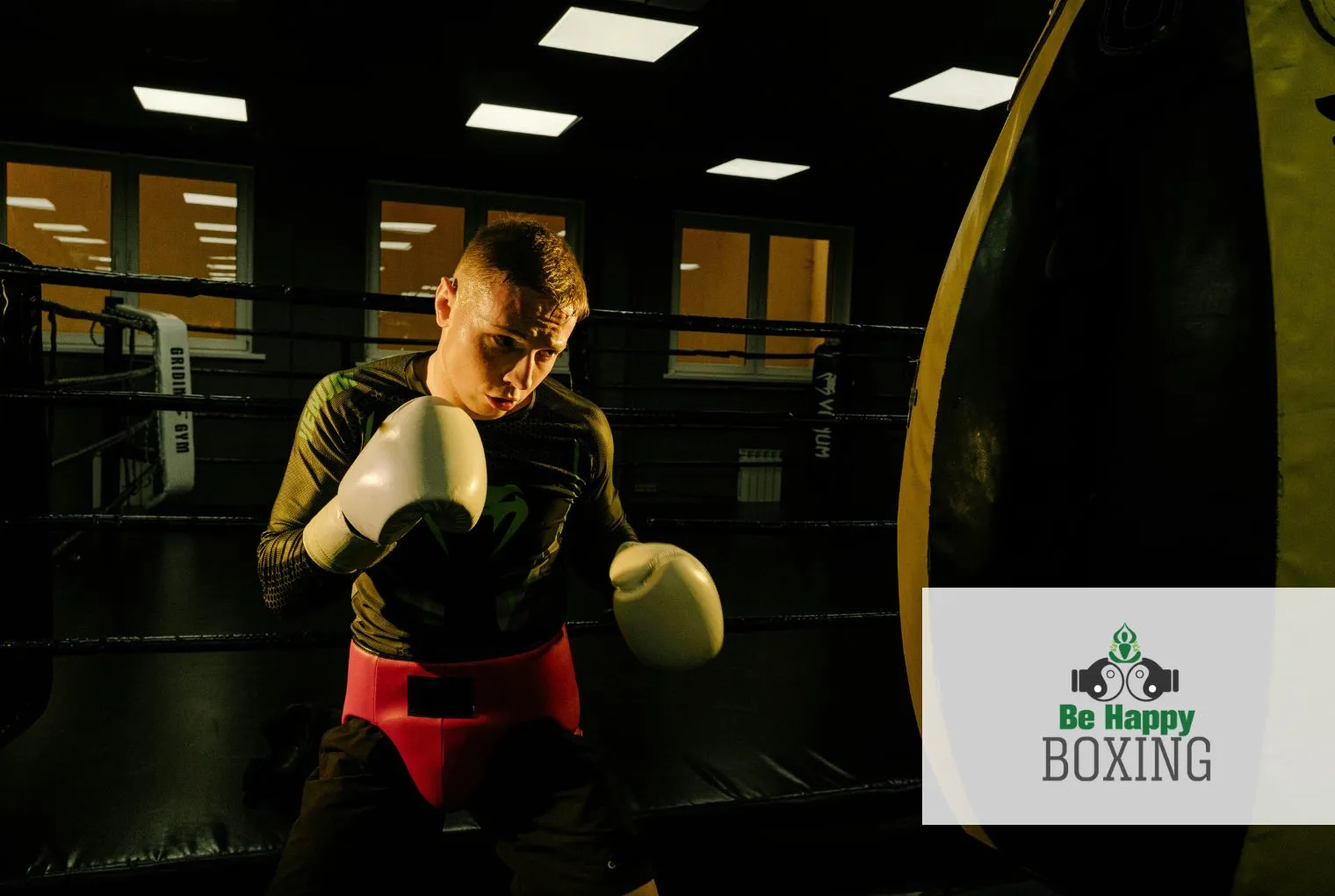
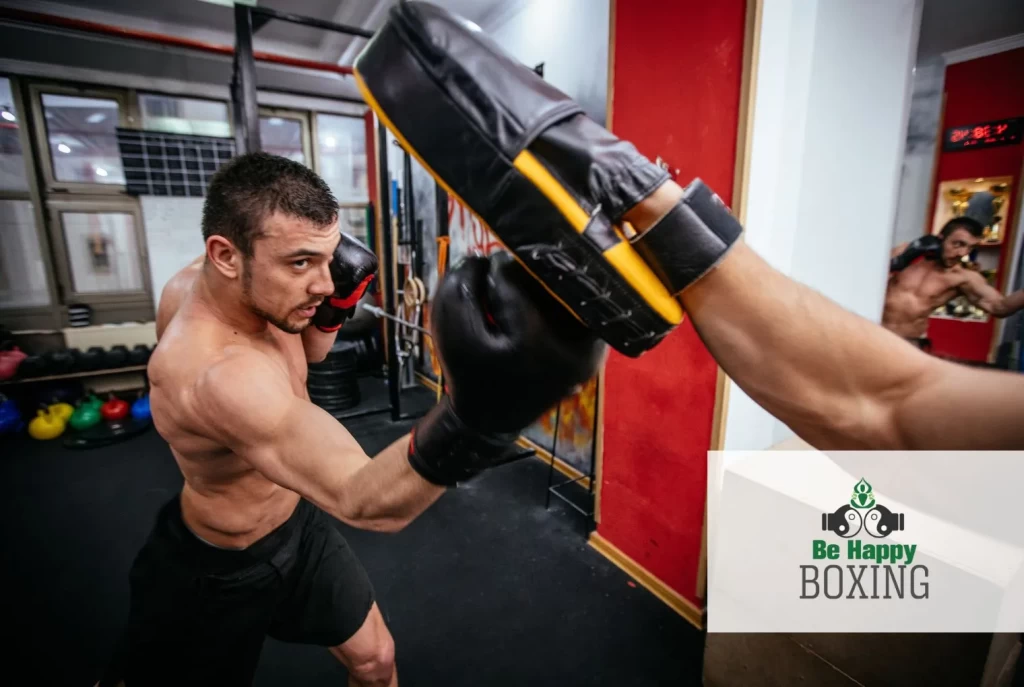
Just like many martial arts schools, boxing requires training methods rooted in discipline and repetition. From shadowboxing and mitt work to sparring in a boxing match, boxing aligns with the training methodologies seen in modern martial arts programs.
Boxing gloves, once seen as merely protective gear, are now tools for honing technical skill without risking injury—much like the padded gear used in many martial arts. Boxing training methods have both influenced and been influenced by other fighting styles, reflecting the interconnected evolution of martial arts disciplines.
Some critics argue that boxing lacks the “art form” element found in traditional martial arts, pointing to the absence of belts, forms, or spiritual teachings. But martial artists like Bruce Lee challenged this mindset, famously stating that martial arts should prioritize combat effectiveness over ritual.
By this logic, boxing isn’t just a martial art—it’s a perfect martial art for certain contexts.
The Cultural Significance of Boxing
Boxing stands as a martial art with a profound cultural legacy, shaping and reflecting the societies in which it has thrived. Its origins stretch back thousands of years, with evidence of organized fist fighting in ancient civilizations such as Greece, where boxing was a celebrated event in the Olympic Games.
Over the centuries, boxing evolved alongside other martial arts styles, influencing and being influenced by combat sports like Muay Thai and kickboxing.
In modern times, boxing has become a cornerstone of Western culture, recognized not only as a combat sport but as a symbol of perseverance and resilience. Martial artists from all walks of life have found common ground in the boxing gym, where the sport fosters a sense of community and camaraderie.
This shared passion transcends borders, uniting practitioners and fans from diverse backgrounds and languages.
Health and Fitness Benefits of Boxing
Boxing is much more than a combat sport—it’s a martial art renowned for its impressive health and fitness benefits. Boxing training is a full-body workout that challenges cardiovascular endurance, builds strength, and enhances agility.
Each session combines aerobic exercise, strength training, and flexibility drills, making it an effective way to boost overall physical fitness.
Practitioners quickly discover that boxing demands a high level of physical fitness, with routines designed to improve coordination, balance, and reaction time. The intense nature of boxing training not only increases muscle mass and bone density but also supports immune function and overall well-being.
For many, the mental focus required in boxing becomes a powerful tool for reducing stress and anxiety, sharpening concentration, and building self-confidence.
Philosophy and Principles Behind Boxing
At its core, boxing is a martial art guided by a philosophy that values discipline, hard work, and continuous self-improvement. The sport instills a deep sense of respect toward opponents, coaches, and fellow practitioners, mirroring the traditions found in many martial arts styles around the world.
Boxing demands mental toughness and resilience, teaching martial artists to overcome adversity and remain focused under pressure. The journey of a boxer is one of constant learning, with each training session offering opportunities to refine techniques and develop new skills.
Conclusion: Yes, Boxing Is a Martial Art
So, is boxing a martial art? Without question.
It may not wear the same cultural uniform as asian martial arts, but its focus on fighting skills, physical fitness, and combat sports tactics makes it just as legitimate. Mike Tyson, known for his powerful punches and ring dominance, exemplifies boxing as both a sport and a form of martial discipline.
Whether you’re training for the ring, for self-defense, or physical training, boxing offers all the hallmarks of a martial art, minus the mystique, but with all the physical capabilities and mental focus you’d expect from a system practiced for skill development and survival.
Unfortunately, some misconceptions and martial arts lies claim that boxing does not qualify as a true martial art, unfairly excluding it based on false or outdated ideas.
In a world where many martial arts are adapting to modern needs, boxing stands tall, not just as a modern sport, but as a martial art practiced worldwide.
Frequently Asked Questions
Can children train in boxing as a form of martial arts?
Yes, many boxing gyms offer youth programs that teach discipline, coordination, and physical fitness. These programs often focus on non-contact drills and techniques to ensure safety and build foundational skills suitable for all ages.
What kind of mindset is needed for boxing compared to traditional martial arts?
While traditional martial arts often emphasize humility, respect, and inner balance, boxing fosters mental toughness, strategic thinking, and resilience under pressure. Both require focus and discipline, but boxing places more emphasis on mental endurance in high-intensity situations.
How long does it take to become proficient in boxing for practical use?
With consistent training, many people develop basic self-defense and sparring abilities within 6 to 12 months. However, mastering advanced techniques and reaching competitive levels can take several years of dedicated practice, similar to progress in other martial arts systems.