
Most people do not think much about gloves when they start boxing. They buy a pair because the price looks fine, the brand sounds familiar, or the design catches their attention. It feels simple at first. Then the first real training week happens, and the gloves start telling the truth.
Your wrists feel unstable on harder punches. Your knuckles start complaining after bag rounds. The inside gets hot, the padding feels awkward, and suddenly you realize gloves are not just another piece of gear. They decide how comfortable training feels and how long your hands stay healthy.
That is why boxing gloves practice matters more than people expect. Good gloves let you focus on movement, timing, and rhythm. Bad gloves keep pulling your attention back to discomfort.
Beginners Usually Buy the Wrong Pair First
A lot of beginners make the same mistake. They buy whatever looks popular online, or they grab the cheapest pair, thinking gloves are all basically the same.
They are not.
Cheap gloves often look fine when they arrive, but after a short time, the padding starts flattening, and the wrist support weakens. What looked like a deal starts feeling like something you need to replace almost immediately.
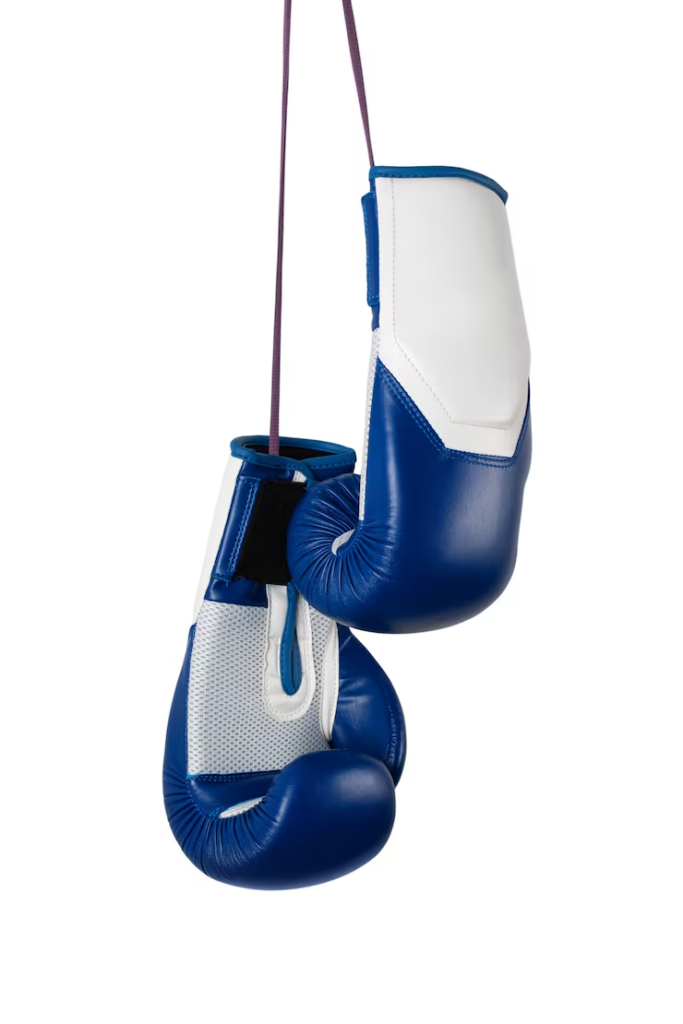
That is where choosing proper boxing practice gloves makes a difference. The glove has to fit naturally from the start. Your hand should close without resistance. Your thumb should sit comfortably. The wrist strap should lock things down without feeling awkward.
If any part of that feels wrong on day one, it usually feels worse after a few hard sessions.
Weight Matters More Than Most People Realize
A lot of people think heavier gloves automatically mean better gloves, but that is not how it works.
Twelve ounce gloves often feel quicker and lighter for technical work. Fourteen ounce gloves usually sit in a comfortable middle range for regular training. Sixteen ounce gloves offer more padding and are often used for sparring or longer sessions where hand protection matters more.
The right weight depends on how you train.

Someone doing short technical sessions may prefer lighter gloves. Someone hitting hard several times a week usually benefits from more protection.
That is why finding the best practice boxing gloves starts with being honest about your routine instead of copying what someone else uses.
Heavy Bag Work Exposes Weak Gloves Fast
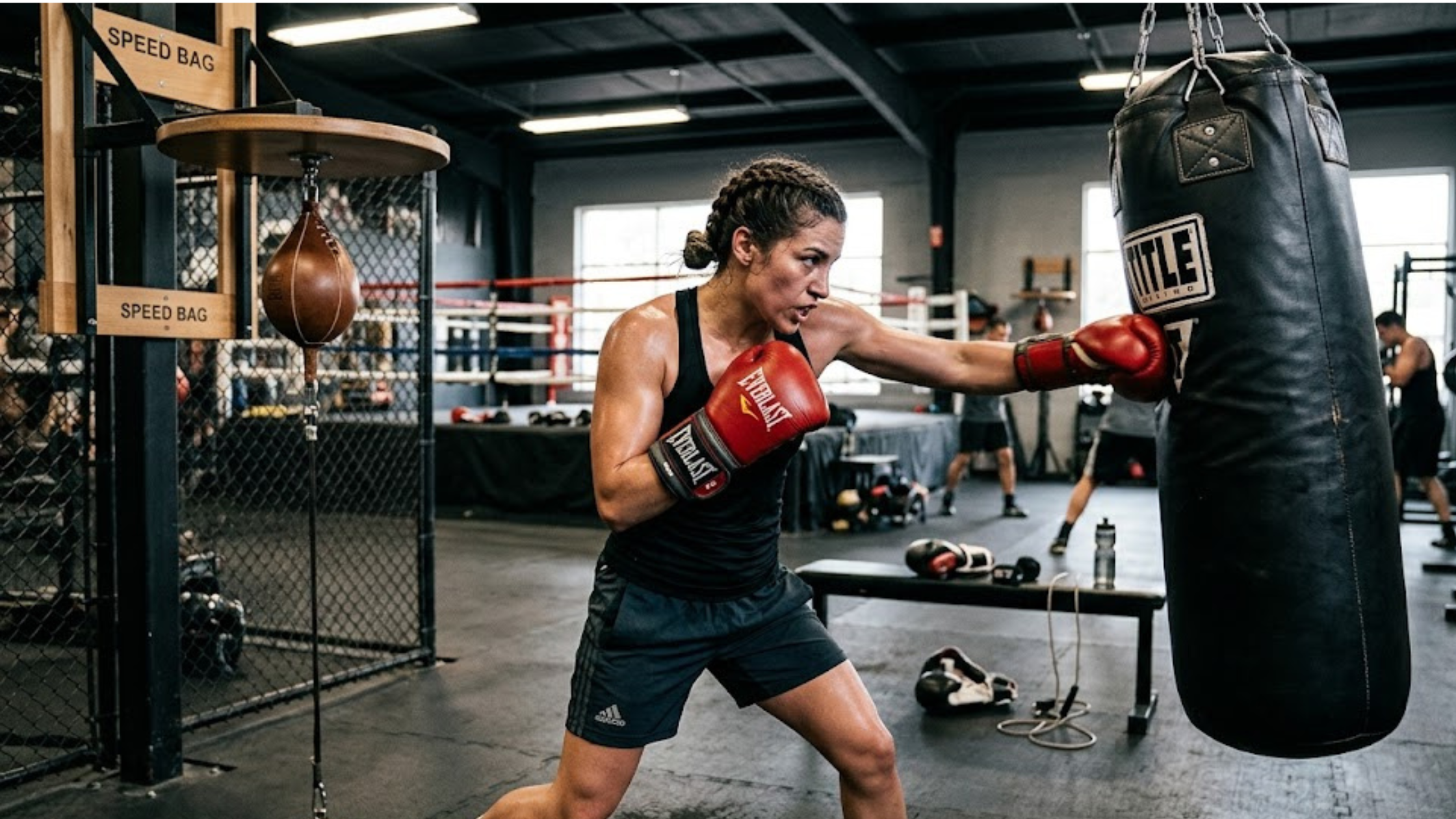
A heavy bag does not hide glove problems. If the padding is weak, you feel it quickly. If wrist support is poor, your punches start feeling unstable after a few rounds.
That is exactly why boxing gloves for heavy bag training need stronger protection than gloves used only for light drills.
The bag pushes impact straight back into your hands every single round. Weak gloves make that obvious.
A lot of people think hand pain means they need tougher hands. Sometimes it simply means the glove is not doing enough to protect them.
When bag work is your main training, durability matters just as much as comfort because those gloves are taking repeated impact every session.
One Good Pair Can Still Cover Most Training
Not everybody needs multiple glove types right away.
If your sessions include bag work, movement drills, and basic combinations, one balanced pair usually handles most of what you need.
That is where boxing gloves for practice should sit. Enough padding for impact, enough flexibility for movement, and enough comfort to last through longer rounds.
The glove should stop being noticeable once training starts.
When you find yourself always adjusting the straps or feel pressure within the gloves, it indicates improper fitting.
A good glove feels natural after a few minutes.
Speed Work Still Builds Better Boxers
A lot of people focus only on power because heavy bag rounds feel productive. The sound of hard punches makes it feel like progress.
But speed work teaches things that power alone cannot.
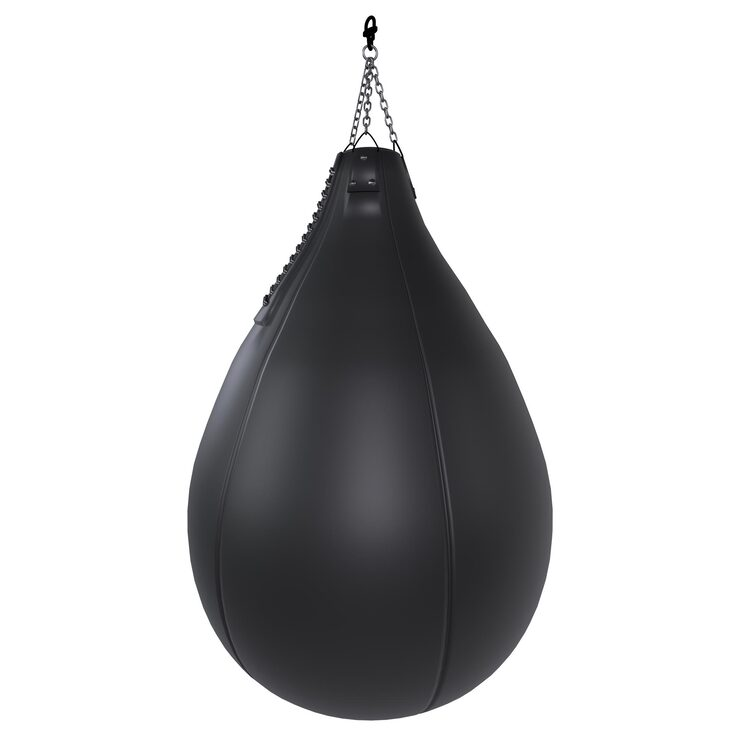
That is where Speed Bag Benefits become important. Using a speed bag develops your sense of rhythm, timing of hands, shoulder strength, and coordination. In addition, it helps one learn to relax during punches, a challenge for most beginners.
People who hit hard often carry too much tension. Speed work forces smoother movement because tension ruins rhythm immediately.
Even a short speed bag session changes how your hands move in every other part of training.
Home Training Needs Smarter Gear Choices
A lot of people build a home setup by buying a bag first and treating gloves like a small detail. That usually leads to frustration.
Strong Boxing Gear for Home starts with the gear that protects your hands because your gloves take every strike before anything else does.
A heavy bag can last for years. Gloves wear down much faster because they absorb every session directly.
That means material matters too. Leather usually lasts longer, especially if training is frequent. Synthetic gloves could be used effectively if they are sturdily stitched and able to manage sweat well from the inside.
Unsuccessful management of sweat within the gloves makes them uncomfortable, hence causing people to avoid training.
What Makes Gloves Worth Keeping
The gloves worth buying are not always the expensive pair. They are the pair that still feels reliable after weeks of use.
No shifting inside. No collapsing padding. No wrist looseness once fatigue starts.
At Be Happy Boxing, that is usually what separates the gloves people actually keep using from the gloves that end up forgotten in a corner.
Training gets easier to stay consistent with when your gear stops creating problems.
That matters more than branding.
Ready to Upgrade Your Training?
If your gloves already feel flat, loose, or uncomfortable, it may be time to stop training around the problem.
FAQ
How do I choose the right size boxing gloves for training?
The easiest mistake is picking gloves just because someone else said a certain weight works for everyone. It does not. Your size, your hand shape, and how you train all matter. If most of your work is bag rounds, you need enough padding to protect your hands without making every punch feel heavy and awkward.
Are practice boxing gloves different from sparring gloves?
Yes, and you feel the difference pretty quickly once you use both. Practice gloves are usually built firmer because they are meant to absorb repeated impact on bags and pads. Sparring gloves feel softer because the goal is protecting both you and the person standing in front of you.
How often should I replace my boxing gloves for practice?
You usually know before the gloves completely fall apart. Padding starts feeling thinner, the wrist strap stops holding like it used to, and the glove just feels tired. If you train often, that can happen sooner than people expect, especially with gloves that were average to begin with.
Can beginners use any boxing gloves for daily practice?
They can, but they usually regret it fast. A random cheap pair might survive a few sessions, but daily work exposes every weakness. If the glove does not support your wrist or protect your knuckles properly, your hands will remind you every time you hit the bag.