
If you have ever hit a heavy bag that felt rock hard or strangely hollow, you already know how frustrating that can be. One feels like you are punching a wall. The other feels like you are hitting a pile of laundry. Neither helps your training.
The truth is, most people are unaware of how much your boxing bag filler contributes to your advancement. It has an impact on your wrists’ durability, the way your punches land, and the amount of power you may progressively build. Even if you purchase the nicest gloves available, your training will never feel right if your bag is poorly stocked.
The right punching bag filler material gives you resistance that feels honest. It absorbs the shot but pushes back just enough to make you stay sharp. Real progress occurs at that equilibrium.
Let’s go over the best options and how to make the most of them.
What Makes a Good Boxing Bag Filler?
A good boxing bag filler should do three simple things really well.
It should, first and foremost, offer strong resistance without hurting your hands. You shouldn’t experience agony every time you throw a strong cross, but you do want to feel your punches land.
Second, it should distribute weight evenly. An uneven bag throws off your rhythm and can mess with your technique.
Third, it needs to hold up over time. A bag that breaks down after a month of consistent training is not doing you any favors.
When your bag is filled properly, it feels balanced. It swings naturally. It forces you to throw clean combinations instead of sloppy arm punches. That kind of feedback makes a difference.
1. Shredded Fabric or Old Clothes
This is the most common boxing bag filler, and there is a good reason for that. It is practical, and it works.
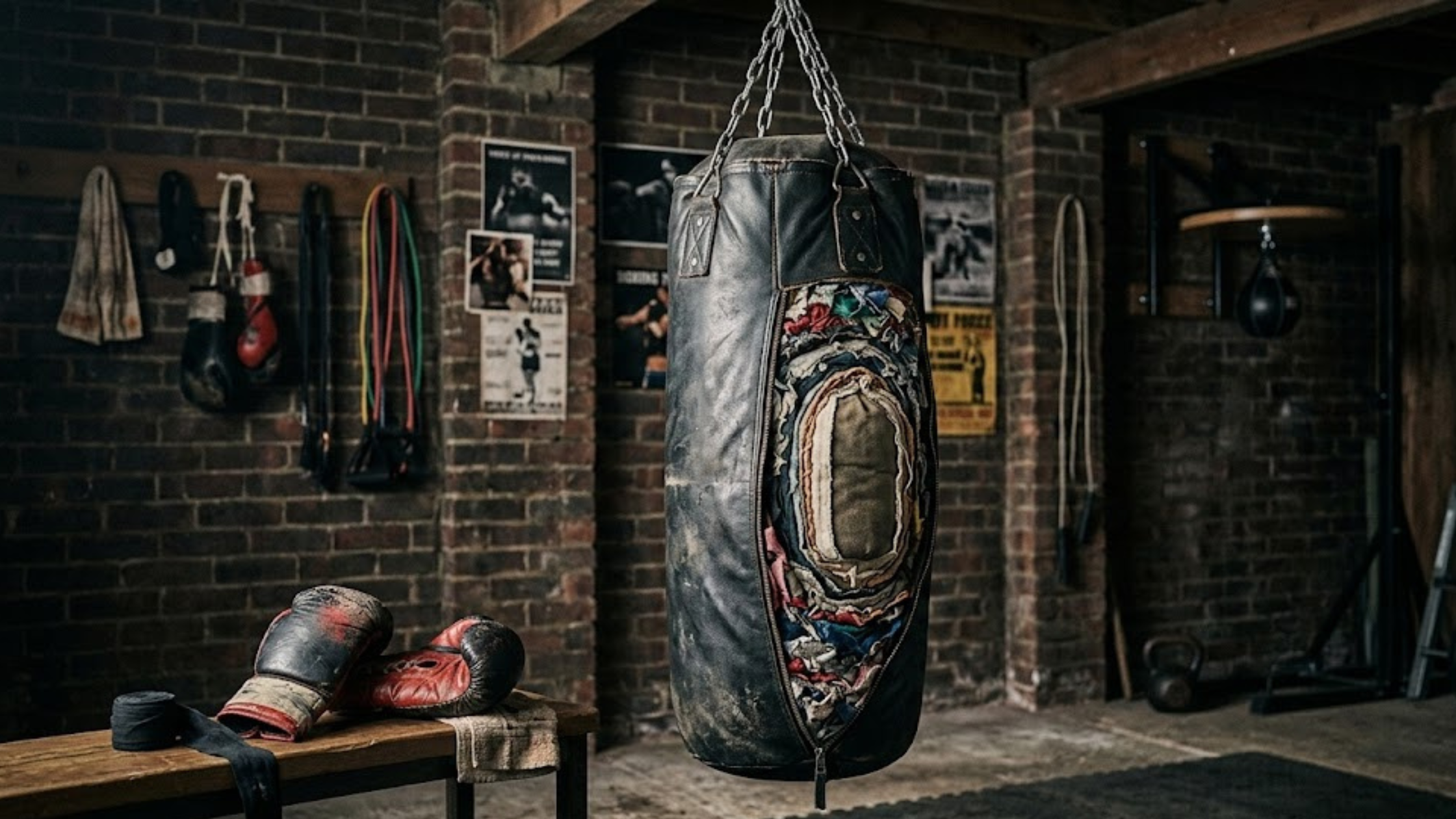
Old T-shirts, sweatshirts, towels, and sheets can all be cut into strips and packed tightly into your bag. When compressed correctly, fabric creates a dense but forgiving surface that is ideal for most home training setups.
The mistake people make is stuffing everything loosely. That leads to sagging and lumps after a few sessions. It must be compressed as you load it, layer by layer. Press the material down firmly with a stick or the handle of a broom. As you build, take your time and check the firmness.
You have control over fabric. The only way to change the bag’s texture is to change how tightly you load it. This is the ideal place to start for the majority of boxers.
2. Shredded Textile or Cloth Scraps
If you want something more consistent than household clothes, shredded textile from upholstery shops or textile suppliers is a strong option.
This type of punching bag filler material tends to be more uniform in size and density. That means fewer gaps and a more balanced feel throughout the bag. It creates a firmer surface than random clothing but still provides enough give to protect your hands.
If you are looking for a bag that feels closer to what you would experience in a gym, a shredded textile can help you get there. It feels solid without feeling unforgiving.
3. Sand, But Only If You Know What You’re Doing
Sand has several uses, but it must be treated with caution.
Many individuals like how quickly it builds weight. A heavier bag feels powerful and stable. The problem is that sand alone becomes extremely hard and can cause wrist or knuckle issues if you are not careful.
If you use sand, always seal it in strong plastic bags and place those bags in the center of your heavy bag. Surround that core with layers of fabric or textile. This setup allows you to gain weight and stability without turning the outer surface into concrete.
Sand should support your bag, not dominate it. When used correctly, it adds balance. When overused, it creates problems.
4. Rubber Mulch or Crumb Rubber
Rubber mulch offers a slightly different training feel. It absorbs shock differently and can provide a unique kind of resistance.
Some boxers appreciate the way rubber responds to impact. It can make the bag feel alive and reactive. Others feel it can be slightly springy if used on its own.
The best way to use rubber is in combination with fabric. Combining the two results in weight and durability while maintaining a surface that is comfortable enough for extended use. Blending materials is usually a better option because rubber alone can migrate over time.
5. Sawdust and Wood Shavings
Sawdust is a more traditional option. It creates a dense and compact feel, especially when packed tightly.
The downside is that it settles and compresses over time. That can make certain areas of the bag harder than intended. If you choose sawdust, mix it with cloth to maintain some softness on the outer layers.
It is not the most modern choice, but some fighters prefer the heavier resistance it brings. Just understand that it may require more maintenance.
Layering Is Everything
This is where everything comes together.
The best boxing bag filler setup is layered with intention. You do not just dump materials into the bag and zip it closed.
Start with a tightly packed fabric base. Add a weighted core in the middle if you are using sand or rubber. Then surround that core with more cloth to create a protective outer layer. Finish by compressing everything evenly before sealing the bag.
When you build it this way, you control how the bag feels. You can adjust firmness as you go and make sure there are no soft or overly hard spots. A well layered bag feels balanced from top to bottom.
How Firm Should a Heavy Bag Be?
A properly filled bag should challenge you without beating you up.
If your knuckles hurt even when you are wrapped and wearing good gloves, your bag is too hard. If your punches sink in too deeply and the bag collapses around your fist, it is too soft.
You want a surface that rewards clean technique. When you land a sharp combination, the bag should respond with a solid thud and a natural swing. That kind of feedback keeps your mechanics honest.
Good punching bag filler material helps you feel the difference between a lazy punch and a crisp one.
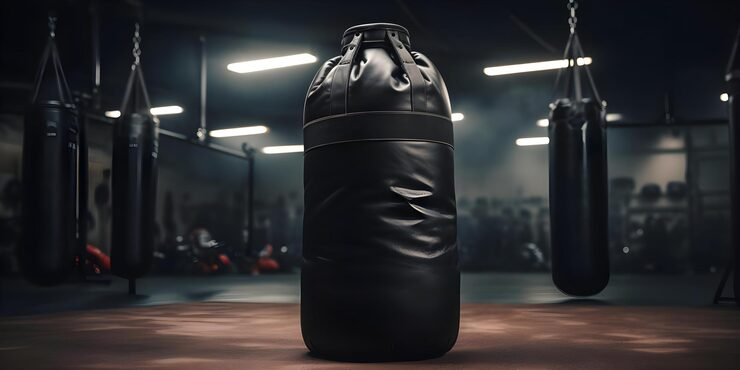
Adjusting Over Time
Even a well built bag will settle over time. That is normal.
After a few weeks of steady training, open the bag and check the distribution. Fluff the filler. Rotate the contents. Repack any loose areas. This simple maintenance keeps your bag feeling consistent and extends its lifespan.
Your heavy bag is part of your training system. Taking care of it makes a difference.
Homemade vs Pre Filled Bags
Pre filled bags are convenient, but you rarely know what is inside them. Some are packed with low quality scrap material that breaks down quickly and creates uneven resistance.
When you fill your own bag, you are in control. You decide how firm it feels. You decide how heavy it becomes. You can adjust it as your strength and skill improve.
At Be Happy Boxing, understanding your equipment is part of training smarter. When you know what is inside your bag, you train with more confidence and fewer surprises.
Final Thoughts
There is no single perfect boxing bag filler for everyone. Your ideal setup depends on your training style and goals.
For most people, tightly packed fabric combined with a controlled weighted core creates the best balance. It delivers resistance without sacrificing hand safety. It allows you to train hard while staying consistent.
The right punching bag filler material makes your heavy bag feel solid, responsive, and reliable. It pushes back just enough to build power while protecting your hands round after round.
If you want more practical, no nonsense boxing advice that actually improves your training, spend some time with Be Happy Boxing and keep building your skills the right way.
[ Build Your Perfect Bag ]
FAQs
What is the best boxing bag filler if I want real punch resistance but still protect my hands?
The best combination is achieved by most people using a tightly packed shredded fabric. This gives good resistance without making your bag a brick, and you can always add a weighted core later. Using fabric allows you to keep your wrists safe while building strength the correct way.
Is using sand a bad idea for punching bag filler material?
Sand isn’t so bad; it’s how you use it that counts. If you pour sand into your bag, it’s like punching concrete. What you should do is put the sand in heavy plastic bags and put it in the center, then wrap it with cloth around it. This gives you good weight without destroying your hands.
How can I tell if my heavy bag is filled correctly?
Make some tidy pairings. It’s too difficult if your knuckles hurt even with decent gloves and coverings. The bag is too soft if your punches sink in, and it seems lifeless. A bag that is properly full thuds hard and then swings on its own after impact.
Do I need to refill or adjust my boxing bag filler over time?
Yes, and most people forget this. Bags settle, especially if you train consistently. Every few weeks, open it up, fluff the material, and repack any loose spots. It takes a little effort, but it keeps your bag balanced and your training consistent.