


Boxing. Everyone asks, how dangerous is boxing? People picture blood, bruises, and big hits. Sure, danger is part of it. But the reality is more about skill, training, and knowing your limits.
Even beginners can get hurt if they rush in. Head hits, sore joints, and cuts happen. Gloves, hand wraps, and smart coaching reduce the risk.
The real beauty of boxing is the challenge. It pushes your body, sharpens your mind, and builds confidence. With the right approach, you can enjoy the sport, get fit, and stay safe at the same time.
Head Injuries Are Serious
Head injuries occur frequently. Even light sparring can result in concussions. Later in age, repeated impacts might lead to brain issues. mood fluctuations, difficulty focusing, and memory loss. That is real.
You don’t have to be a pro to get hurt. Amateur boxers and gym fighters face this too. Headgear and gloves lessen blows, but they don’t keep you safe. Astute boxers learn to shift their head, defend, and regulate distance. Just as crucial as throwing punches is protecting your intellect.
Cuts, Bruises, And Broken Bones
Boxing hits more than your head. Hands take repeated punishment. Without proper wrapping, fractures can happen.
Your face takes hits, too. Busted noses, split lips, and black eyes. Bruises last for a few days, but most heal.
Toughness is taught in boxing. Get up, keep going, and learn to take hits. It is normal to feel pain. It does not mean you are reckless. It means you are learning.
Wear And Tear Over Time
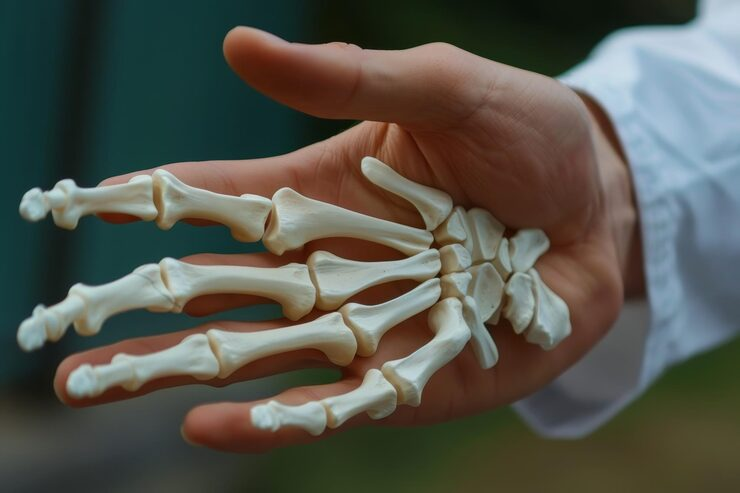
Boxing is more than one fight or one session. Months and years of training matter. Joints suffer damage. elbows, wrists, knees, and shoulders. Arthritis strikes some boxers sooner than others.
Even your brain feels it. Repeated small hits affect focus and mood. Smart coaches emphasize rest and light sparring. Protect your mind like your body.
Safety Measures That Work
Boxing is risky, but you can control it. Here is what to do:
- Wrap your hands properly and wear good gloves
- Always use headgear while sparring at the gym
- Train with coaches who know safety first
- Focus on technique instead of just raw power
- Take regular checkups, especially for your brain
- Rest, eat well, and hydrate every day
- Limit long sparring sessions to avoid injuries
Follow these basics, and you’ll last longer. Ignore them, and injuries pile up.
Why People Keep Boxing
Why still do people box if it’s dangerous? It’s an incredible workout to start. agility, strength, speed, and stamina. All in one sport.
Second, stress disappears when you hit the bag. Mental focus improves, and confidence grows. You push yourself, beat limits, and see results.
Boxing develops mental toughness, patience, and discipline. Although there are risks, they are frequently outweighed by the benefits.

Amateur Vs Professional Boxing
Not all boxing is the same. Amateur boxing is safer. Rules are rigorous, gear is required, and fights are shorter.
Professional boxing is on a different level. Longer fights, more hits, higher stakes, bigger risks. The level you train at changes how dangerous boxing really is. Know what you are getting into.
Quick Facts Of Boxing
Here are some facts of boxing that most people do not know:
- The majority of amateur boxers endure minor wounds and bruises.
- Gloves alone cannot provide the same level of protection as technique.
- Boxing rapidly enhances hand-eye coordination and reflexes.
- Boxing develops mental toughness that is applicable to daily life.
- Long-term harm is avoided with proper strength training and recuperation.
These facts show boxing has risks, but they are manageable. Smart training makes all the difference.
Bottom Line
Boxing is intense and carries real risk. Head hits, bruises, broken bones, joint pain. They happen. But danger is not automatic. How dangerous boxing is depends on your training, sparring, and safety.
Boxing challenges the body and mind. It increases confidence, strength, and attention. It imparts hardiness, perseverance, and patience. Risks exist, but they may be controlled with proper management.
Be Happy Boxing offers gear suggestions, ideas, and instructions to help you get started safely, intelligently, and prepared to learn. Start training smarter today and see what boxing can really do for you.
FAQs
How dangerous is boxing for beginners?
Boxing has risks, but beginners are usually safe with guidance. Gloves, headgear, and light sparring reduce injuries. Focus on technique and learning first, not going all out.
Can I get fit without getting hurt?
Absolutely. Controlled training, proper gear, and smart routines give a killer workout without serious injuries. Boxing builds strength, speed, and endurance safely when done right.
How often should I spar to stay safe?
Sparring should be limited and controlled. A few sessions a week with proper rest are enough. Overdoing it increases risk and slows progress. Quality beats quantity every time.
What gear do I really need?
Good gloves, hand wraps, and headgear are essentials. Proper shoes and a mouthguard help too. Using the right gear prevents injuries and lets you train smarter and longer.