

Boxing is not just something you do in a gym or a fancy studio with padded walls and trainers shouting at you. You can get a solid, sweat-soaked session right at home if you know what you’re doing. The best part is you don’t need fancy machines or a pricey membership. With a few bits of boxing at home equipment and a solid plan, you can crush your boxing workout routines and see some actual results.
Start With the Basics
Make sure you understand the basics before you punch someone. And don’t overthink it, focus on stance and form. Poor shape will put you behind and make you sore. Sloppy basics are not going to be fixed using gloves and bags.
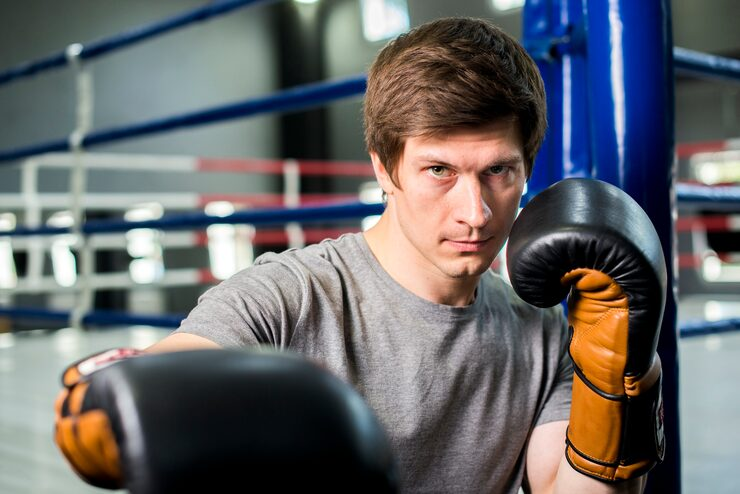
Use a mirror. Through observing yourself, throw jabs, crosses, hooks, and uppercuts. Any reflecting surface is suitable. Catch mistakes early. Small adjustments in your shoulders or foot placement can turn weak, sloppy punches into sharp, powerful strikes. Learn first the fundamentals, and everything comes afterwards.
Essential Boxing At Home Equipment
You do not need a full gym to get a proper workout. Here’s what works:
Heavy Bag – If you have room, this is your friend. It provides actual resistance and allows you to punch harder and more precisely. Even a 70–100 lb bag will suffice. Suspend it somewhere solid with enough room to move around.
Speed Bag – At first, it seems difficult, but it enhances hand-eye coordination, rhythm, and stamina. You can mount a door one and still have a great workout.
Resistance Bands – Don’t sleep on these. They are great for shadowboxing with resistance, building strength, and mimicking punching against an opponent.
Skipping Rope – Underappreciated, a rope is the perfect warm-up. It develops stamina, footwork, and timing. Your speed will improve faster than you think.
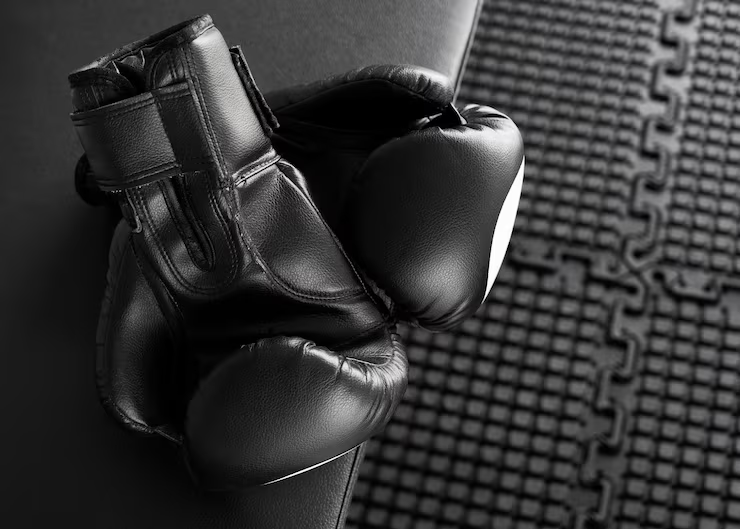
Gloves and Hand Wraps – Keep your hands safe. It is simple to injure yourself without them. Gloves also make punching more realistic, which encourages you.
No space for all this? No problem. Even a mat, a pair of gloves, and a small bag or pillow on a wall will get you moving. The trick is consistency.
Structuring Your Boxing Workout Exercises
Here’s where people mess up. Random punches for 20 minutes are not a workout. You need a plan.
Warm-Up (5–10 mins)
Shadowbox, jump rope, or do a bit of dynamic stretches. Get the blood flowing and loosen up the shoulders, wrists, and hips.
Technique & Skill Drills (10–15 mins)
Drill on a light bag or before the mirror. Pay attention to accuracy, speed, and footwork. Slow punches do not go to waste, provided that your technique is sound.
Bag Work / Resistance Training (15–20 mins)
Go hard on the heavy bag. Try rounds of three minutes. Combos, power punches, and quick jabs. To add some variety, add some resistance bands.
Conditioning / Core (10–15 mins)
Boxing is not just about arms. Planks, sit-ups, burpees, and mountain climbers will maintain a tight core and make your endurance levels high.
Cool Down & Stretch (5–10 mins)
Do not skip this. Your muscles will thank you. Stretch arms, shoulders, back, and legs properly.
Keep It Fun
At home, you are free to box. Play your favourite music. Time your own rounds. Try intervals: 30s fast, 30s hard. Always make it new and exciting. When it becomes fun to do, then you stand a better chance of sticking to it.
You do not have to make thousands of punches before you get good. The consistency is always superior to intensity. Even 20-30 minutes a few days per week will help sharpen your skills, develop endurance, and count your workouts.
Common Mistakes to Avoid
Even with the best home equipment, people mess up. Watch out for:
- Skipping Technique – Power means nothing if your form is bad. Take it slow and nail the basics.
- Ignoring Footwork – You cannot move right without practising it. Step, pivot, shuffle constantly.
- Overtraining – It is easy to go too hard at home. Muscles need recovery. Don’t burn out.
- Neglecting Core – A strong core makes every punch count. Do not skip it.
Mixing It Up
Boredom is the enemy. Keep your body guessing by:
- Switching punch combinations
- Timing rounds differently
- Adding small hand weights or a double-end bag
- Doing shadowboxing circuits with resistance bands
Your body adapts fast. Keep it varied to stay progressing.
Tracking Your Progress
Even if it feels like you’re punching the air, progress matters. Use a notebook or phone to track:
- Rounds completed
- Combos or drills practised
- Weight, speed, or duration improvements
- Technique notes
It is satisfying to see how far you’ve come after a month.
Why Be Happy Boxing Helps
If you want to take home boxing seriously, guidance is key. Be Happy Boxing gives tips, routines, and advice for all levels. Whether you have a full setup or just basics, they make workouts effective and engaging. Check them out for extra structure and motivation.

Final Thoughts
Home boxing isn’t about fancy gyms or quantity of equipment. It’s about dedication, intelligent use of home boxing equipment, and planned exercises that test your body and mind. Be consistent, drill your combos, take care of your form, and challenge yourself. A minimal setup can provide a killer workout and better fitness, stamina, and self-confidence.
Start small, remain consistent, and have fun. Soon, boxing in your home will be second nature.
For home boxing routines, tips, and the latest advice on the most effective boxing workout exercises, visit Be Happy Boxing today.
FAQ
How to improve boxing technique at home?
Focus on the basics first. Stance, guard, footwork. Use a mirror and watch yourself throw jabs, crosses, hooks, and uppercuts. Start slow. Quality over quantity. Small tweaks make a big difference over time.
Is 20 minutes of boxing a day good?
Absolutely. Short, consistent sessions beat long, sloppy ones. Even 20 minutes a day will build skill, strength, and stamina if you actually push yourself.
What is the 55-minute rule in boxing?
It’s simple. Spend at least 5 minutes warming up before every session. Jump rope, shadowbox, or do dynamic stretches. It wakes your body up and helps prevent injuries.
Is it better to punch harder or faster?
Neither alone wins. Technique matters most. Once your form is solid, speed beats brute force in most cases. Power comes naturally when your punches are sharp and precise.